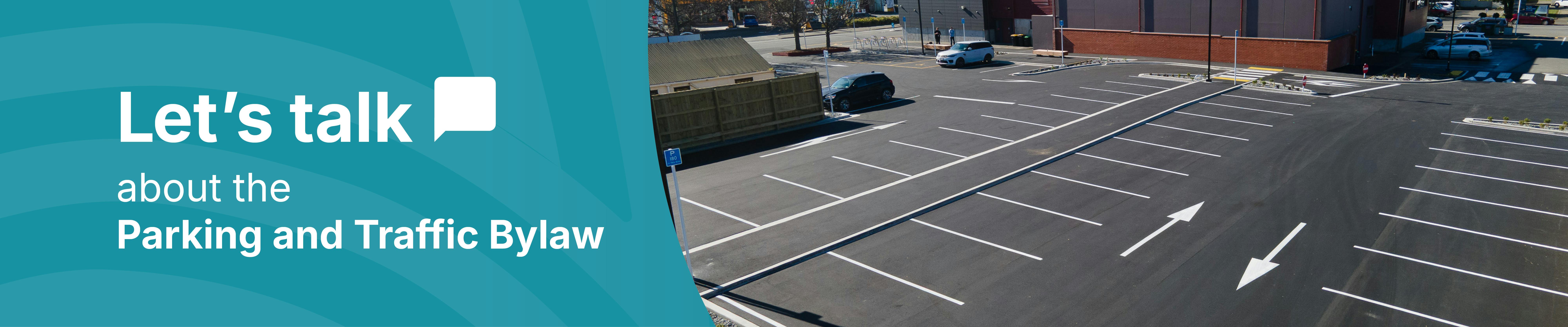
Parking and Traffic Bylaw 2026
Consultation has concluded
Help Us Get Parking Right – Share Your Views Today!
Based on community feedback and emerging transport needs, we’re proposing to introduce the Parking and Traffic Bylaw 2026. Now we want to hear from you.
What is the Parking and Traffic Bylaw?
Bylaws are rules made by the Council to help keep our district safe, accessible, and fair for everyone. This bylaw sets out how parking and traffic movements are managed on public roads and spaces across Waimakariri.
The current Parking Bylaw was adopted in 2019. It doesn’t fully address issues like mobility access, overnight parking, heavy vehicle impacts, and modern transport needs. Updating the bylaw will help make everyday travel safer and simpler—whether you’re walking, cycling, driving, or running a business.
Why are we making changes?
- Improve safety for all road users.
- Protect public spaces and infrastructure.
- Ensure fair access to parking for residents, businesses, and visitors.
- Support sustainable transport options like EV charging and carpooling.
- Reduce nuisance and improve amenity in residential and commercial areas.
Key Changes Proposed
- Clearer parking rules for urban and rural areas
- Residents’ parking zones and permit options
- Overnight parking restrictions in selected areas
- Parking Zones for flexible, location-based controls
- Reserved spaces for EV charging, carpooling, mobility access, and parents with infants
- New rules for mobile trading on roads and public spaces
- Traffic movement controls (turn bans, one-way streets, shared zones, keep clear zones)
- Restrictions on heavy vehicles and engine braking
- Expanded enforcement tools for fair and consistent compliance
- Updated definitions and accessibility standards
- Anti-circumvention rules for motorhomes and trailers
- Administrative updates for transparency and flexibility
Have Your Say
Your feedback will help shape practical solutions—such as where overnight parking should be allowed or how to balance parking for residents and visitors.
Consultation closes March 9.
Proposed Parking and Traffic Bylaw FAQ’s
Council is proposing a new Parking and Traffic Bylaw to replace the Parking Bylaw 2019 and is inviting the community to share their views during public consultation. This document answers some of the most frequently asked questions about the proposed new Bylaw.
1. What is the Proposed Parking and Traffic Bylaw 2026?
It’s a set of rules that gives Council the ability to manage parking and traffic on public roads and spaces in the Waimakariri District. The proposed Bylaw helps keep streets safe, accessible, and fair for everyone.
2. Why are we updating the Bylaw?
The Parking Bylaw was written in 2019 and will lapse in December 2026. The 2019 Bylaw doesn’t cover everything we need today, like mobility access, overnight parking, heavy vehicle impacts, and transport options. Updating it means we can respond to changing needs and plan ahead.
3. How will this benefit the community?
It gives Council the ability to make rules that support safer streets and footpaths, fairer access to parking near homes and businesses, reduced congestion, more alternative transport choices, and better protection of public spaces.
4. Will the proposed Bylaw change where I can park right now?
Yes, some general rules apply immediately when the proposed Bylaw is adopted:
- No parking on grass verges in urban areas
- Continuous Accessible Path of Travel (CAPT) protection for footpaths
- Anti-circumvention rules for trailers and motorhomes
Other potential additions —such as residents’ parking zones, overnight restrictions (10:00pm–6:00am), or traffic movement controls—are included in the proposed new Bylaw to future‑proof Council. This means they could be introduced later if needed, but only after further investigations, consideration of options, appropriate community engagement, and a formal Committee decision. The proposed Bylaw simply provides the regulatory tools should those future decisions be made.
5. Will there be paid parking?
Not at this point. While the proposed new Bylaw includes tools such as Parking Zones and Residents’ Exemption Zones to future‑proof Council, no decisions have been made about introducing paid parking. Through its Kaiapoi and Rangiora Town Centre Parking Management Plans, Council has signalled that graduated paid parking could play a role in managing parking demand in the future, but any change would only occur following a separate investigative, optioning, and decision‑making process (which may include trials and community engagement as appropriate).
Parking Rules
6. Will I need a permit to park near my home?
Not right now. You will only need a permit if your street becomes a Residents’ Exemption Parking Zone in the future. No decisions have been made to introduce these zones. The proposed new Bylaw simply future‑proofs Council by enabling this option should it be needed, and any decision to establish a zone would follow a separate investigative, optioning, and decision‑making process, including community engagement where appropriate.
7. What about overnight parking?
Overnight parking refers to the period between 10:00pm and 6:00am. Any overnight parking restrictions would only be introduced following a separate investigative, optioning, and decision‑making process. If Council decides to introduce these restrictions in specific areas, they will be clearly signposted and published online.
8. What’s the difference between rural and urban rules?
- In urban areas, parking on grass verges or berms is generally not allowed unless Council permits it, to prevent damage and maintain safety.
- In rural areas, parking on verges is allowed if it doesn’t cause damage or block access.
These rules apply immediately when the proposed Bylaw is adopted. Council focuses on safety and responds to complaints rather than actively ticketing.
Traffic Management
9. What about heavy vehicles driving through town?
The bylaw gives Council the power to limit heavy vehicles on certain roads to protect safety and infrastructure. These restrictions would only be introduced following a separate investigative, optioning and decision making process, which may also involve further community consultation. The proposed new Bylaw future-proofs for this option should Council wish to introduce such a measure to meet issues or demand in the future.
10. Will engine braking be banned?
Council can prohibit engine braking on roads with speed limits of 70 km/h or less if noise becomes a problem. This would only happen in specific areas following a separate investigative, optioning and decision making process, which may also involve further community consultation.
11. Can the Council restrict certain types of vehicles on roads?
Yes. Council may restrict vehicles based on size, weight, or the goods they carry to keep roads safe and prevent damage. Any such restrictions would require a separate investigative, optioning and decision making process, which may also involve further community consultation.
Special Cases
12. How will the proposed Bylaw help with events, schools, and markets where lots of cars park on verges?
The proposed Bylaw gives Council the ability to set temporary restrictions or install infrastructure to protect verges and manage safety during high demand events.
13. What is Mobile Trading and why is it in the proposed Bylaw?
Mobile Trading means temporary trading from vehicles (like food trucks). The proposed Bylaw makes sure these activities are safe and don’t block roads or footpaths. You’ll need Council approval before trading in public spaces.
14. How does the proposed Bylaw affect motorhomes and trailers?
- Motorhomes can park for up to 7 consecutive days.
- Trailers can park for up to 5 consecutive days.
- Freedom camping is managed under separate legislation and, if needed, a separate bylaw. The proposed Bylaw only covers parking rules on roads and public places.
15. What is considered a motorhome under the proposed Bylaw?
A motorhome is any vehicle designed or converted for human habitation, whether self-contained or not. This includes buses, campervans, and house trucks.
16. Does the proposed Bylaw control freedom camping?
No. Freedom camping is regulated under the Freedom Camping Act 2011, not through the proposed Parking and Traffic Bylaw. Council does not currently have a Freedom Camping Bylaw in its work programme. The proposed Parking and Traffic Bylaw only covers parking on roads and public places, although Council can still introduce overnight parking restrictions in specific carparks if needed to address safety or nuisance issues. Any such restrictions would follow a separate investigative, optioning, and decision‑making process, and if approved, would be clearly signposted and published online.
17. When will the proposed Bylaw take effect?
The current Parking Bylaw 2019 will remain in effect until Council formally adopts the proposed new Bylaw following consultation and hearings. The proposed Bylaw would take effect upon adoption (anticipated July 2026).
Some general rules in the proposed Bylaw—such as no parking on grass verges in urban areas—would apply immediately once it is adopted. Other provisions, such as the ability to introduce location‑specific residents’ parking zones, overnight restrictions, or other parking and traffic controls, are included to future‑proof Council. These do not take effect automatically. They would only be introduced if needed, and following a separate investigative, optioning, and decision‑making process, which may include community engagement where appropriate.
The proposed new Bylaw provides the regulatory framework to support these future parking and traffic decisions should Council choose to progress them.
Have Your Say
18. How can I have my say?
The Council has prepared the proposed Parking and Traffic Bylaw 2026 and invites your feedback. Your input will help shape practical solutions—such as where overnight parking should be allowed or how to balance parking for residents and visitors. Tell us what matters most to you.
Email submissions to: records@wmk.govt.nz
Online submissions via: LetsTalk/ParkingandTrafficBylaw2026
We need to receive your submission no later than 9 March 2026.
Statement of Proposal are available at the Council Offices in Rangiora, Kaiapoi, and Oxford. Copies can also be requested by calling the Council’s Customer Service Centre on (03) 311 8900.
19. What if I have concerns or need clarification?
You can:
- Visit the Council website for full details.
- Email records@wmk.govt.nz.
- Call (03) 311 8900 or visit Council offices in Rangiora, Kaiapoi, or Oxford.
-

Phone 0800 965 468 Email gina.maxwell@wmk.govt.nz
