Managing and Minimising our Waste
Consultation has concluded. Thanks for your feedback!
We’re planning for the future of waste in our district – and we want your input.
We have prepared a draft Waste Management and Minimisation Plan for the years through to 2032.
Since our last plan was adopted in 2018, we have reduced waste in the district. But progress has slowed. Almost half of what goes to landfill could still be reused, recycled or composted.
Our vision is for Waimakariri to become a low-waste, low-emissions district that values resources and reduces environmental harm.
Below we detail some upgrades and actions we would like to incorporate in the new plan to take us forward over the coming years.
Your feedback will help us decide what to focus on, where to invest, and how we should better manage waste in the future. 🗑️🚚
Have your say by 2 October at 5pm. Hearings will take place on 23 October, 9am to 3pm in the Council Chambers.
Drop-in sessions:
Have questions? Come along to one of our drop-in sessions and chat with the team:
- Tuesday 22 September, Ohoka Domain Pavilion, 5pm to 7pm
- Tuesday 29 September, Kaiapoi Community Centre (24 Sewell Street), 5pm to 7pm
- Thursday 1 October, Rangiora Town Hall (upstairs function room), 5pm to 7pm
Consultation has concluded. Thanks for your feedback!
-
New ways to reduce waste
Share New ways to reduce waste on Facebook Share New ways to reduce waste on X (formerly Twitter) Share New ways to reduce waste on Linkedin Email New ways to reduce waste link
Changes to rubbish bins and bags
We are considering offering households inside our collection areas the option of a larger 240 litre rubbish bin.
A larger bin would cost more - because it can hold more and will cost more to collect.
Bin sizes Average cost per year 80 litre $130 140 litre $172 240 litre $370
As more people move to kerbside rubbish bins fewer households and businesses are using Council rubbish bags. It is our intention to phase out rubbish bags over the coming years in line with demand.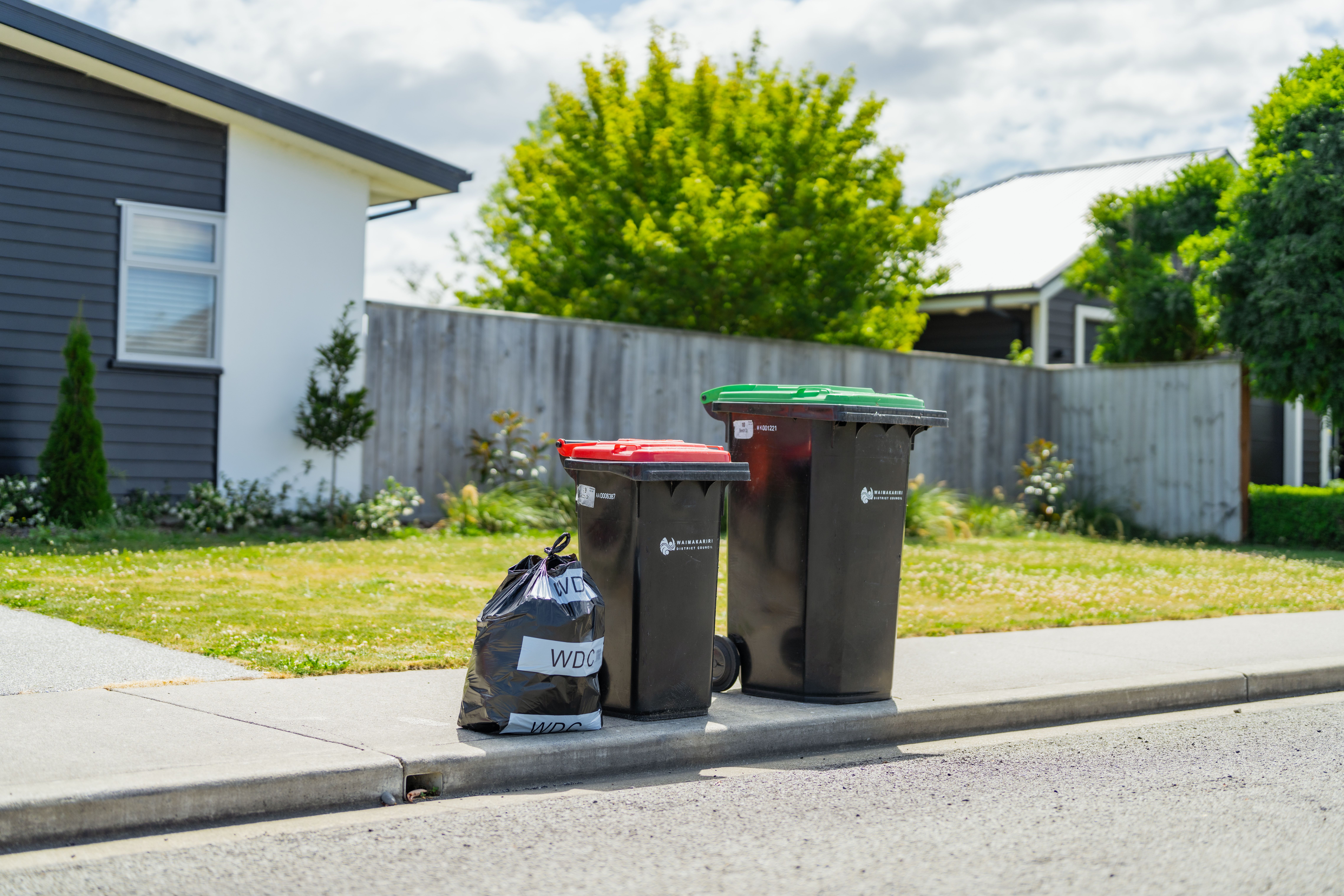
Extending our kerbside services
We are proposing to expand the kerbside collection service to more rural residential areas.
See the online map to view the areas included in the proposed extended collection service. To see if your property is included, just search by your address.
- Swannanoa, Mandeville and Ohoka: We are considering offering kerbside collections to more properties in these limited-service areas, following requests from residents. We are also considering adding an organics bin.
- Ashley, Loburn, Clarkville, and parts of Fernside: We are also looking at offering kerbside collections to areas near existing routes, including Ashley, Loburn Lea, Clarkville, and parts of Fernside.
Both options will only go ahead if enough households want it and it can be provided without increasing forecast targeted rates. The inclusion of these areas into kerbside collection in 2027/28 will likely cost each property an additional $118 per year for the recycling services rate, plus the variable rates for optional rubbish and/or organics bins.
Consultation has concluded. Thanks for your feedback!
-
Upgrade and increase use of our facilities
Share Upgrade and increase use of our facilities on Facebook Share Upgrade and increase use of our facilities on X (formerly Twitter) Share Upgrade and increase use of our facilities on Linkedin Email Upgrade and increase use of our facilities link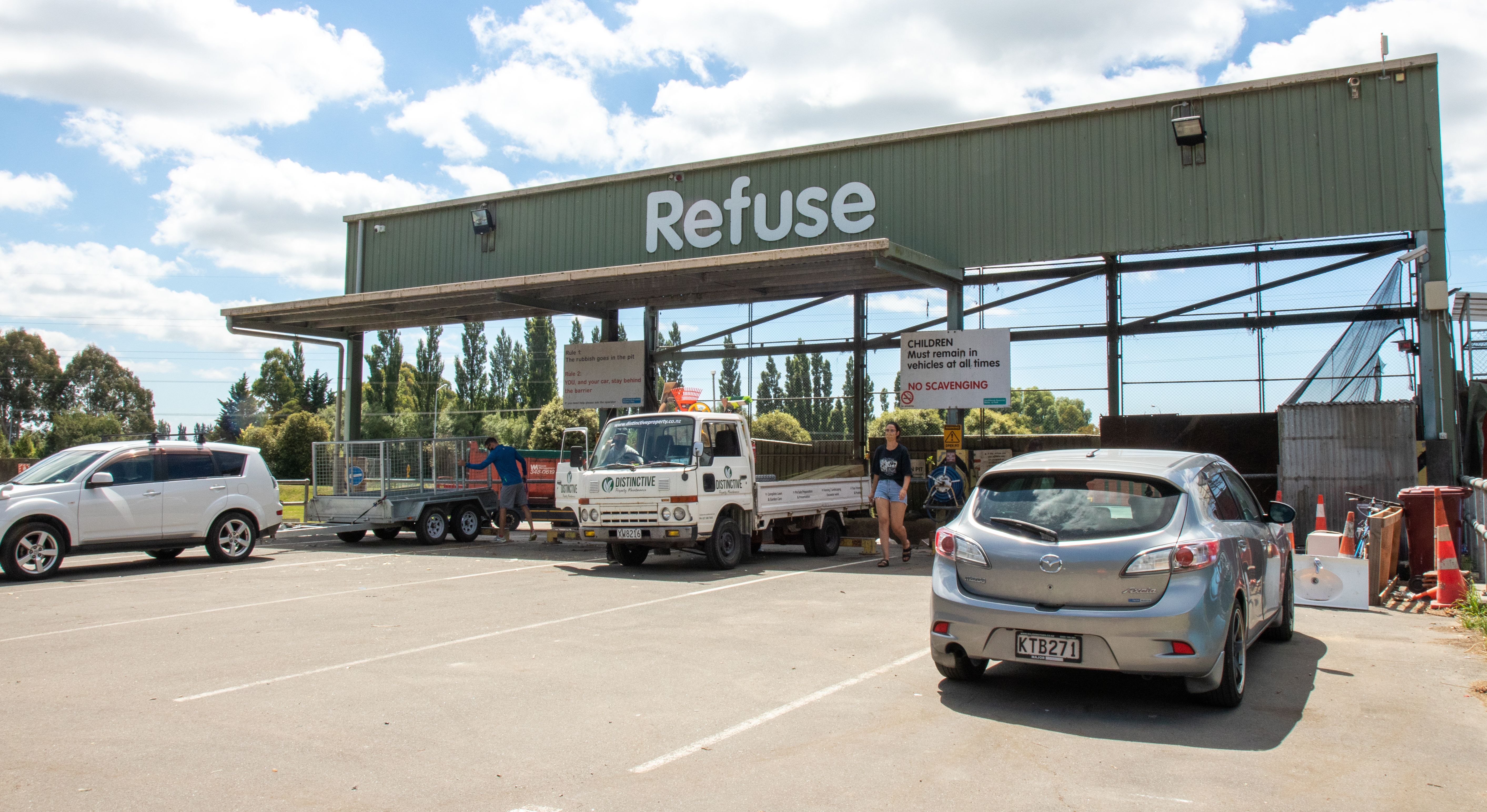 We are considering how best to improve Southbrook Resource Recovery Park and Oxford Transfer Station so they meet the district’s needs over the coming decades.
Both facilities were built in 1998. Given their age, and the increase in usage with population growth, they need investment to keep meeting demand.
Expanding the existing sites would meet demand for the next 20–25 years, but they don’t have enough physical space to meet another 50–100 years of growth.
The Council is looking at the following options:
1. Improve existing facilities
We know some current services could be improved to meet growth for the next 20-25 years.
For Southbrook, we have some space to provide expanded recycling and waste diversion options, a much larger second-hand shop, and to expand the green-waste drop-off and rubbish pit. We are also looking to build an education centre, repair facilities and a community garden at the front of the site.The planned upgrades would mean traffic would flow faster, and an increase in capacity. Funding for this upgrade is included in the Long Term Plan, and may come at a higher cost for users or ratepayers, but will result in a much better service for our customers, and will increase landfill diversion.
For Oxford, which has a mostly rural community customer base, we are looking at installing a weighbridge so we can charge by weight as we do at Southbrook, and constructing concrete bunkers for scrap metal and green waste. We also want to find out whether there is support for extending the opening hours and/or having a recycling facility that is always accessible, but these changes may come at a higher cost for users or ratepayers.2. Build a new facility to replace Southbrook Resource Recovery Park
We are exploring whether we retire Southbrook and build a new, larger facility at a new site. This would provide even more opportunities for recycling, reuse, repair and education, as well as better options for difficult waste types such as construction/builders’ waste, but will come at a higher cost as we would have to build the facility from scratch on a new site. This would ideally meet between 50 to 100 years of growth/demand.
We are currently in an investigation phase but know the current site in Southbrook is valuable and would seek to sell this to help offset the cost of creating the new facility, to offset the land purchase and higher construction costs.Consultation has concluded. Thanks for your feedback!
-
Aligning with national goals
Share Aligning with national goals on Facebook Share Aligning with national goals on X (formerly Twitter) Share Aligning with national goals on Linkedin Email Aligning with national goals linkEvery council in New Zealand is required to have a Waste Management and Minimisation Plan. These plans help councils reduce waste, manage rubbish and recycling services, and support national waste reduction goals.
A key focus of our draft Plan is to make better use of materials, reducing what goes to landfill, and encouraging more reuse, recycling and composting wherever possible.
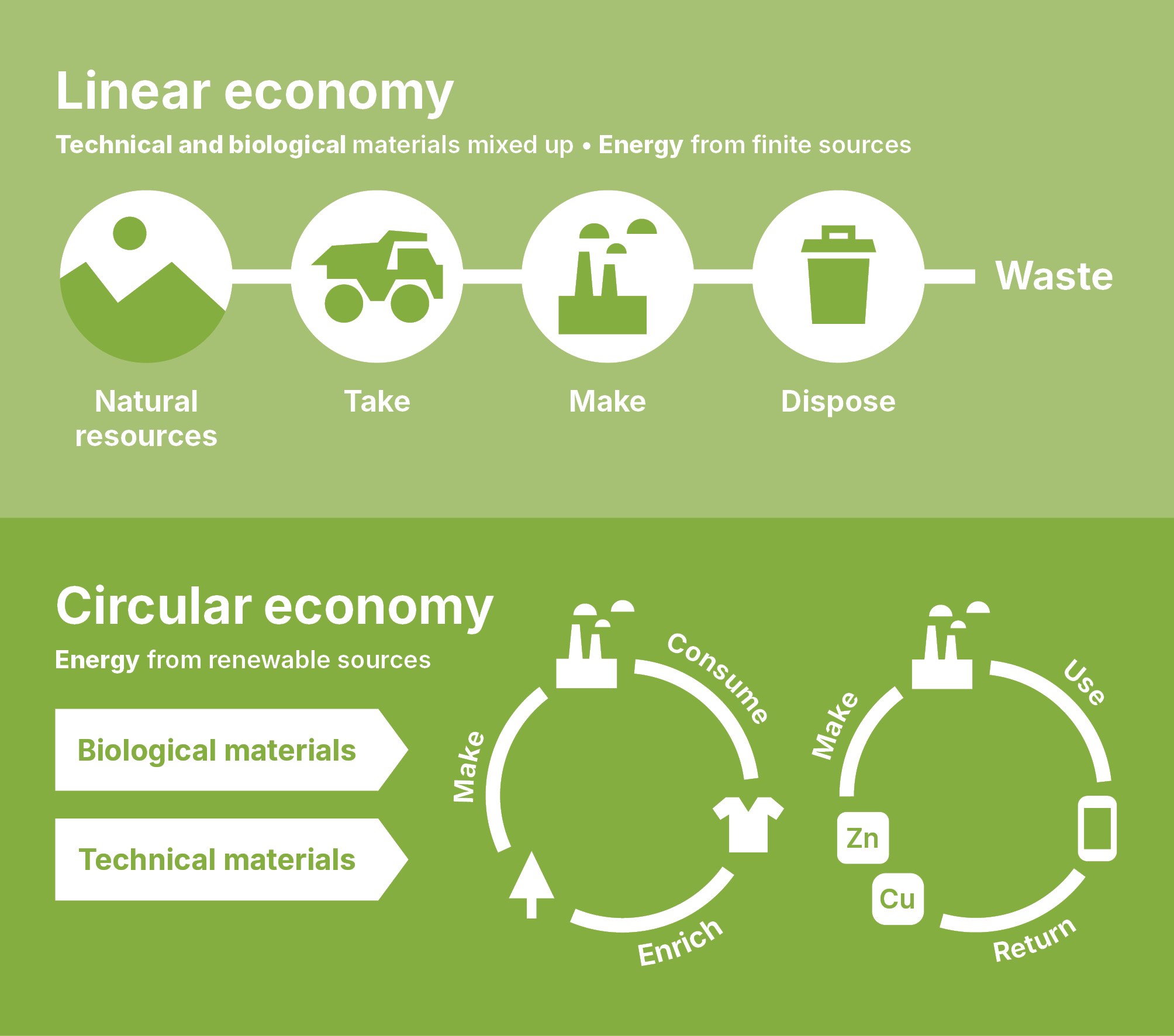 Circular economy approach
New Zealand has traditionally followed a linear economy, where resources are taken, used, and then disposed of, often ending up in landfill.
Globally there is a shift towards a different approach, known as the 'circular economy'. This approach focuses on managing waste materials in a circular system as much as possible, with landfill being the last resort. This approach is reflected in our Waste Management and Minimisation Plan.
If you want to learn more about where our waste is coming from, you can read Council's latest Waste Assessment.
Consultation has concluded. Thanks for your feedback!
-
 Ashley
-
Clarkville
-
 Kerbside Collection Kaiapoi Ohoka Rd to Neeves Rd.pdf (665 KB) (pdf)
-
Kerbside Collection Clarkville Heywards Baynons Rds.pdf (466 KB) (pdf)
-
Kerbside Collection Clarkville Tram Rd to South Eyre Rd.pdf (440 KB) (pdf)
-
Kerbside Collection Clarkville Neeves to Tram Rd.pdf (521 KB) (pdf)
-
Kerbside Collection Clarkville Mabers Heywards Lorimans Rds.pdf (506 KB) (pdf)
-
-
Fernside Triangle
-
Loburn Lea
-
Ohoka, Mandeville and Swannanoa
-
Proposed Kerbside Collection Extension Mandeville Mill Rd Bradleys to Ashworths.pdf (488 KB) (pdf)
-
Proposed Kerbside Collection Extension Mandeville Mill Rd Mandalea.pdf (373 KB) (pdf)
-
Proposed Kerbside Collection Extension Raddens Jeffs Drain Rd 2.pdf (476 KB) (pdf)
-
Proposed Kerbside Collection Extension Mandeville Wards No 10 Dawsons.pdf (545 KB) (pdf)
-
Proposed Kerbside Collection Extension Mandeville Wards Pattersons.pdf (509 KB) (pdf)
-
Proposed Kerbside Collection Extension Mandeville Whites Rd.pdf (542 KB) (pdf)
-
Proposed Kerbside Collection Extension Mandeville North Eyre Rd E.pdf (538 KB) (pdf)
-
Proposed Kerbside Collection Extension Mandeville North Eyre Rd W.pdf (541 KB) (pdf)
-